

Epinephrine (EPI): The Body’s Emergency-Response Switch — Cloud-Clone ELISA Solves Key Research-Detection Challenges

Addressing oxidative degradation and catecholamine cross-reactivity for stress-focused biomedical investigations
HUSTON, TX, UNITED STATES, September 16, 2026 /EINPresswire.com/ -- Epinephrine (EPI) drives the body’s physiological “fight-or-flight” emergency response during fear, stress, strenuous exercise or acute danger. As a pivotal catecholamine hormone bridging the nervous, endocrine and cardiovascular systems, EPI serves as a cornerstone biomarker across basic medicine, pharmacology, sports science, psychiatry and endocrinology. Nevertheless, EPI’s high chemical lability and structural similarity to related catecholamines create major technical barriers for accurate quantification. This press release outlines how Cloud-Clone’s optimized EPI ELISA kit overcomes common analytical pain-points and delivers reliable measurement data to support global biomedical research.
Biological Background and Core Research Value of Epinephrine (EPI)
Rapid heartbeat, elevated blood pressure, accelerated respiration and sudden physical bursts of power during fear, stress, intense exercise or imminent danger are all orchestrated by epinephrine (EPI). Referred to as the body’s “emergency-response master hormone”, EPI interconnects the nervous, endocrine and cardiovascular systems. It forms the body’s primary line of defence against external stimuli and represents a heavily-studied core biomarker within basic medicine, pharmacology, sports science, psychiatry and endocrinology.
Regarding synthesis, distribution and metabolic pathways, epinephrine is mainly produced by chromaffin cells within the adrenal medulla; small amounts are also synthesized and secreted by sympathetic nerve terminals. Starting from tyrosine as the precursor substrate, a cascade of intermediate conversions generates dopa, dopamine and norepinephrine. Epinephrine is finally formed under catalysis by phenylethanolamine N-methyltransferase. Most newly synthesized EPI is stored within intracellular vesicles. Upon receiving neural or humoral regulatory signals, EPI is rapidly released into blood, tissue fluid and synaptic clefts to exert biological functions.
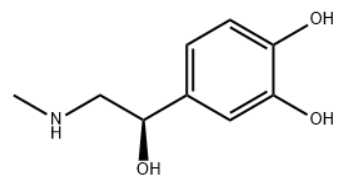
(Figure 1: Molecular structure of epinephrine (EPI))
Epinephrine undergoes extremely rapid metabolism in-vivo. Two key enzymes, monoamine oxidase (MAO) and catechol-O-methyltransferase (COMT), drive its breakdown into biologically inactive metabolites, which are ultimately excreted via renal urine output. Under healthy physiological conditions, a dynamic balance between EPI synthesis and degradation maintains normal heart rate, blood pressure, blood-glucose levels and vascular tone. Chronic stress, acute trauma, chronic inflammation, pathological insults and pharmacological interventions can disrupt this equilibrium, triggering transient surges or sustained abnormal EPI secretion and initiating diverse pathological changes.
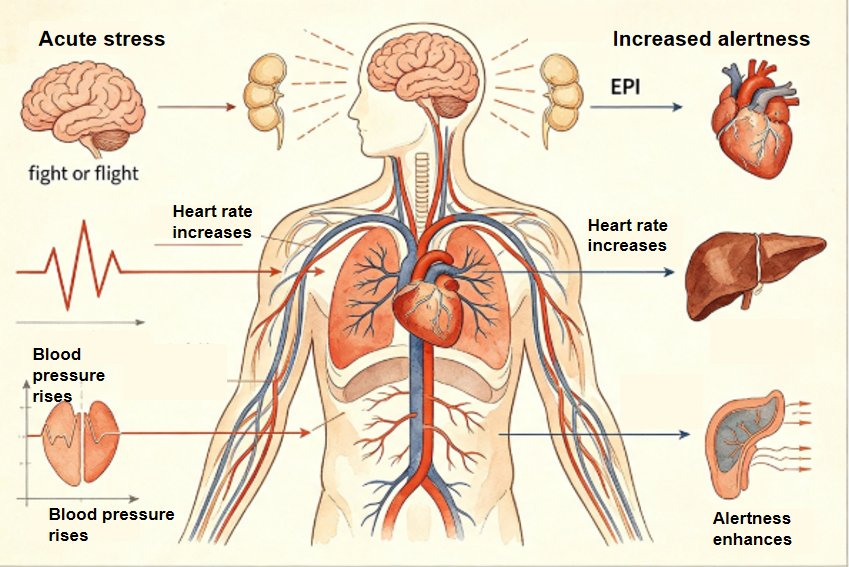
As a multifunctional signalling molecule, epinephrine produces distinct physiological outcomes depending on its circulating concentration and duration of exposure. In cardiovascular regulation, EPI activates α and β adrenergic receptors to accelerate heart rate, boost myocardial contractility and modulate vasoconstriction and vasodilation, which is critical for stable systemic blood circulation. For energy metabolism, it accelerates hepatic and muscle glycogenolysis to rapidly raise blood glucose and supply energy under emergency conditions. In neural and emotional modulation, it enhances alertness, amplifies stress responses and participates in pain perception, closely correlating with fear, anxiety, insomnia and mood disturbances. In addition, epinephrine relaxes bronchial smooth muscle, inhibits selected gastrointestinal functions and modulates immune-cell activity to coordinate multi-organ systemic stress responses.
From an analytical perspective, epinephrine is a small polar monoamine containing a chemically reactive catechol moiety. It undergoes rapid oxidative degradation upon exposure to light, oxygen, high temperature, pH shifts or repeated freeze-thaw cycles, directly leading to artificially low measured values. Biological samples commonly contain structurally similar catecholamines including dopamine and norepinephrine, which cause prominent cross-interference. Frequently used specimen types such as serum, plasma, cerebrospinal fluid, tissue homogenates, cell culture supernatants and urine are rich in miscellaneous proteins, lipids, endogenous enzymes and inorganic salts, further increasing technical obstacles for precise EPI quantification.
Dysregulated epinephrine secretion is tightly linked to numerous disease states and physiological scenarios across broad research fields. In cardiovascular research, hypertension, arrhythmia, heart failure and coronary heart disease are often accompanied by over-activation of the sympathetic-adrenal system with significantly elevated EPI concentrations. EPI levels directly reflect the severity and progression of cardiovascular injury. Within neuropsychiatric research, disturbed EPI secretion rhythms occur in chronic psychological stress, anxiety disorders, depression, post-traumatic stress disorder (PTSD) and sleep disturbances; EPI measurement acts as a core readout for exploring pathogenesis and evaluating intervention strategies. In stress- and sports-medicine research, high-intensity training, acute surgical trauma and long-term physical-mental stress trigger dramatic EPI fluctuations, enabling assessment of exercise load and trauma-induced stress injury. For endocrinology, pheochromocytoma, adrenal dysfunction and metabolic syndrome drive excessive or insufficient EPI release, supporting disease subtyping and pathological evaluation. In pharmacological development, EPI quantification is essential for efficacy validation of antihypertensive, anxiolytic, emergency-use drugs, as well as adrenergic receptor agonists and antagonists.
(Figure 2: Schematic diagram illustrating physiological effects of epinephrine during acute stress)
Today, epinephrine (EPI) is an indispensable biomarker for stress-mechanism dissection, cardiovascular disease modelling, neuropsychiatric research, exercise-physiology analysis, endocrine-disease investigation and high-throughput targeted-drug screening. Whether performing in-vitro cellular intervention experiments, constructing in-vivo animal disease or stress models, or assessing bioactive compounds and pharmaceutical agents, accurate EPI quantification and metabolic-profile analysis constitute fundamental experimental prerequisites for laboratory workflows, mechanistic interpretation and academic publication.
Comparison of Mainstream Detection Technologies and Core Experimental Bottlenecks for EPI Assays
Epinephrine belongs to the catecholamine family of oxidation-prone small-molecule compounds, presenting challenges including poor stability, homologous molecular interference and complex sample matrices. Multiple mature analytical approaches are available, with large disparities in sensitivity, specificity, operational complexity, throughput and cost. Based on extensive hands-on laboratory experience, mainstream techniques are compared and common quantification pain-points summarized below.
Performance Comparison of Four Mainstream Detection Technologies
1.High-Performance Liquid Chromatography with Electrochemical Detection (HPLC-ECD) A traditional gold-standard technique for catecholamine measurement. The method separates epinephrine, dopamine and norepinephrine on chromatographic columns and achieves high-sensitivity quantification via electrochemical detection, delivering good component resolution and high accuracy. However, dedicated instrumentation carries high procurement and maintenance costs. Labor-intensive sample pre-treatment includes deproteinization, anti-oxidation protection, solid-phase extraction and filtration, resulting in long assay times and low throughput. It is suitable only for reference-standard calibration and validation of a small number of critical samples and cannot satisfy requirements for large-scale animal experiments or high-throughput drug screening.
2.Liquid Chromatography-Tandem Mass Spectrometry (LC-MS/MS) Currently the most accurate and authoritative detection solution for EPI. It combines powerful chromatographic separation with high-specificity mass-spectrometric identification to distinguish individual catecholamines and their metabolites. Excellent anti-matrix-interference performance enables reliable trace-level quantification, producing highly regarded data widely used for high-impact publication evidence, reference-material traceability and complex-sample analysis. Nevertheless, high instrument costs, complex maintenance demands, strict operator skill requirements and low sample throughput prevent routine deployment within most standard research laboratories.
3.Conventional Biochemical Colorimetric Assays Quantification relies on characteristic colour-forming chemical reactions. The instruments are widely available, workflows are simple and reagent costs are low. However, this approach suffers from intrinsic poor specificity. Reducing substances, polyphenolic impurities and other amines within samples interfere with colour development, leading to weak anti-interference capacity, unsatisfactory reproducibility and low quantitative precision. It can only support rough qualitative preliminary screening and fails to meet data-quality standards required for formal research projects and academic publications.
4.Enzyme-Linked Immunosorbent Assay (ELISA) The preferred mainstream solution for basic-science research. Experiments run on standard laboratory microplate readers without large specialized analytical instruments. Simplified sample preparation eliminates complex extraction, derivatization and chromatographic steps, lowering technical barriers. High throughput supports batch testing of large sample numbers with favourable overall costs. ELISA is fully compatible with serum, plasma, tissue homogenates, urine, cell culture supernatants and other research matrices and is widely applied for animal modelling, cellular intervention, gradient drug screening and large-sample statistical analysis. Even so, commercially-available generic EPI ELISA kits exhibit notable shortcomings: the absence of dedicated anti-oxidant systems allows EPI oxidative degradation leading to underestimated readings; insufficient antibody specificity causes cross-reactivity with dopamine and norepinephrine; limited sensitivity fails to capture minor EPI shifts during early-stage disease or mild drug intervention. These deficiencies frequently produce distorted data, large replicate deviations and statistically non-significant inter-group differences.
Four Major Experimental Challenges in EPI Quantification
Practical laboratory work frequently reports measurement bias, result volatility and insufficient inter-group discrimination for epinephrine assays. Four core pain-points are summarized:
1.High susceptibility to oxidative inactivation: The catechol group renders EPI highly vulnerable to oxygen, light and temperature fluctuations. Degradation occurs throughout sample collection, storage and incubation. Conventional buffer systems provide inadequate protection and generate measured values lower than true biological concentrations.
2.Cross-interference from homologous molecules: Dopamine, norepinephrine and other catecholamines share high structural homology. Conventional assays struggle to differentiate these molecules and trigger cross-reactions, introducing false-positive signals and measurement error.
3.Difficulty detecting minor concentration shifts: Only subtle EPI concentration changes occur in mild-stress, early-disease or low-dose drug-intervention models. Insufficient kit sensitivity prevents detection of biologically meaningful inter-group differences and causes experimental failure.
4.Complex sample-matrix composition: Serum, cerebrospinal fluid and tissue homogenates contain abundant miscellaneous proteins, lipids, endogenous enzymes and suspended impurities, promoting non-specific binding within reaction systems, amplifying data dispersion and severely reducing assay reproducibility.
Distinct Technical Advantages of Cloud-Clone Epinephrine (EPI) ELISA Kit
Targeting widespread industry-level obstacles including EPI oxidative degradation, catecholamine cross-interference, trace-level abundance and complex sample matrices, Cloud-Clone leverages accumulated expertise in small-molecule hormone recognition, anti-oxidative stabilization and competitive-mode ELISA manufacturing. The high-performance Epinephrine (EPI) ELISA Kit (Cat.No. CEA858Ge) delivers comprehensive upgrades covering specific molecular recognition, anti-degradation protection, signal amplification and matrix-interference mitigation. It resolves experimental bottlenecks at the source and fulfils detection demands across diverse research disciplines.
(Figure 3: ELISA kit for epinephrine (EPI) Standard curvet)
1. High-specificity recognition system eliminates cross-interference from homologous substances
Recognition components are custom-designed against epinephrine’s unique spatial conformation and characteristic epitopes and subjected to multiple rounds of screening and affinity purification for strong target selectivity. Experimental validation confirms negligible cross-reactivity with dopamine, norepinephrine, related amines and metabolites. Homologous-molecule interference and false-positive outputs are prevented from the outset to guarantee trustworthy datasets.
2. Composite anti-oxidative stabilization system preserves molecular activity across workflows
Custom-formulated anti-oxidative buffers are optimized for EPI physicochemical properties to isolate oxygen and suppress oxidative reactions. pH and ionic environments are tuned to inactivate endogenous sample enzymes. During sample dilution, handling, incubation and enzymatic reactions, native epinephrine activity and concentrations are maximally retained. This resolves under-quantification and batch-to-batch variability caused by oxidation-driven degradation and markedly improves overall experimental stability.
3. High sensitivity combined with broad linear range covering full concentration gradients
Optimized solid-phase coating workflows and enzymatic signal-amplification systems enhance kit sensitivity, enabling detection of subtle EPI concentration shifts under physiological homeostasis, mild stress, severe pathological injury and varying drug-dosage interventions. The expanded linear quantification window spans physiological baseline levels up to pathological high concentrations. Repeated serial dilution of high- or low-concentration samples is minimized to reduce manual operational error.
4. Multi-species and multi-matrix compatibility with standardized high-throughput workflows
The kit supports common laboratory species including human, rat, mouse and rabbit. Compatible specimens include serum, plasma, homogenates of adrenal, myocardial and brain tissue, cell culture supernatant, urine and cerebrospinal fluid. Complex extraction, derivatization and purification are unnecessary; samples can be loaded after routine centrifugation and dilution. Complete assays finish within three hours using a detachable 96-well plate with fully pre-formulated ready-to-use reagents for simple handling. The kit fits small-sample mechanistic validation as well as large-scale animal-cohort and high-throughput drug-screening projects. Consistent batch-to-batch performance supports long-term cross-batch data comparison and experimental replication.
Core Research Application Scenarios
Featuring high specificity, powerful anti-oxidative capacity, superior sensitivity, robust anti-interference properties and easy-to-operate workflows, Cloud-Clone Epinephrine (EPI) ELISA Kit is widely adopted across basic medicine, pharmacology, neuroscience, sports science and endocrinology research.
1. Mechanistic research on cardiovascular diseases
Animal models for hypertension, arrhythmia, heart failure and coronary heart disease are established. EPI concentrations in blood and myocardial tissue are measured and analysed alongside cardiovascular-pathway markers to dissect links between sympathetic-adrenal over-activation and cardiovascular lesions. This supports exploration of disease mechanisms and potential therapeutic targets and accelerates cardiovascular drug development.
2. Neuropsychiatry and stress-injury research
Using animal models of chronic stress, anxiety, depression, post-traumatic stress disorder and sleep disturbance, dynamic EPI secretion profiles are quantified to dissect correlations between hormone dysregulation and abnormal mood, behaviour and neural function. It generates experimental evidence for psychiatric-disease mechanistic studies and therapeutic-agent development.
3. Sports medicine and trauma-stress research
Applied in models of high-intensity exercise, acute surgical trauma and physical injury. EPI fluctuation patterns across different stress intensities are quantified to evaluate exercise load, trauma severity and organismal stress status, supplying supporting data for sports-physiology and trauma-medicine investigations.
4. Endocrine-disease research
For experimental models of pheochromocytoma, adrenal dysfunction and metabolic-syndrome-related endocrine disorders, EPI abundance in tissues and body fluids is assayed to assess the magnitude of hormone-secretion disturbance, supporting disease subtyping, pathogenesis analysis and therapeutic-effect evaluation.
5. Targeted-drug and bioactive-substance screening plus efficacy assessment
Supports high-throughput screening and pharmacological evaluation for antihypertensives, anxiolytics, sedatives, emergency-care pharmaceuticals, adrenergic-receptor modulators, herbal monomers and compound formulations. Quantification of EPI level changes reveals how candidate compounds modulate epinephrine synthesis, release and metabolism and helps define drug targets and optimal dosing regimens.
6. Cellular and molecular mechanistic research
In-vitro culture and intervention experiments are performed on neuronal, adrenal and myocardial cells. EPI secretion within cell culture supernatants is quantified to explore molecular regulatory pathways governing hormone synthesis and release and build foundational datasets for basic theoretical research.
Conclusion
Epinephrine (EPI), a core catecholamine-family hormone, acts as a central signalling molecule mediating organismal stress responses and interconnecting the nervous, endocrine and cardiovascular systems. Its metabolic dysregulation participates in pathological processes of cardiovascular illness, psychiatric stress disorders, endocrine pathologies and exercise-related injuries, establishing EPI as an irreplaceable classic research biomarker within life-science studies.
As a chemically-active small-molecule analyte, EPI measurement faces multiple technical hurdles: facile oxidative degradation, severe interference from homologous molecules, complex sample matrices and difficulty capturing minor concentration fluctuations. Traditional liquid-chromatography and mass-spectrometry platforms require high capital and maintenance investment while delivering low throughput, making them poorly suited for routine large-batch research. Conventional biochemical colorimetric assays lack sufficient specificity and precision to satisfy academic-publication standards. Generic ELISA kits frequently suffer weak anti-oxidative performance and inadequate specificity, readily generating distorted datasets. Cloud-Clone Epinephrine (EPI) ELISA Kit systematically addresses diverse EPI-detection challenges through its high-specificity recognition system, proprietary composite anti-oxidative protection formulation, high-sensitivity signal-amplification module, multi-dimensional anti-matrix-interference components and standardized workflows.
Supporting research covering cardiovascular studies, neuropsychiatric-stress investigations, sports medicine, endocrine disorders, drug screening and cellular-molecular mechanistic exploration, this kit delivers accurate, stable and reproducible quantitative data to empower investigators to advance research programmes and produce high-quality academic outputs. Cloud-Clone will continue advancing detection solutions for hormones, neurotransmitters and cytokines, optimizing product performance and expanding research-reagent portfolios to support life-science, basic-medical and translational-medical research globally.
For researchers investigating stress physiology, cardiovascular function, neuropsychiatry, sports science and endocrinology seeking robust epinephrine quantification tools, Cloud-Clone provides ready-to-use ELISA kits with comprehensive technical support. Additional product specifications and technical inquiries are available through official global communication channels.
About Cloud-Clone Corp.
Cloud-Clone Corp. is dedicated to the development and production of high-quality immunoassay reagents and detection solutions. With a focus on antibody engineering, multiplex assay development, and cross-platform compatibility, the company provides research tools designed to support precision medicine and advanced biomedical investigation globally. Our core products and services include the research and development of proteins, antibodies, ELISA kits, primary cells, and multiplex cytokine assay kits, as well as professional CRO services to fully meet the diverse needs of biomedical research and related fields.
For more information about Cloud-Clone Corp, visit www.cloud-clone.com.
CLOUD-CLONE CORP.(CCC)
Tel: 001-832-538-0970, 0086-27-8425-9552
Email: mail@cloud-clone.com, sales@cloud-clone.us
Visit us on social media:
LinkedIn: https://www.linkedin.com/company/cloud-clone-corp/
Instagram: https://www.instagram.com/cloudclonecorp2023/
TickTok: https://www.tiktok.com/@cloudclonecorp2026
SuKi Duan
CLOUD-CLONE CORP.WUHAN
email us here
Visit us on social media:
LinkedIn
Instagram
TikTok
X
Legal Disclaimer:
EIN Presswire provides this news content "as is" without warranty of any kind. We do not accept any responsibility or liability for the accuracy, content, images, videos, licenses, completeness, legality, or reliability of the information contained in this article. If you have any complaints or copyright issues related to this article, kindly contact the author above.
