

The Hidden Tax: Why Fully-Insured Health Plans Are Quietly Bankrupting America's Small and Mid-Size Businesses

Superior Insurance Advisors
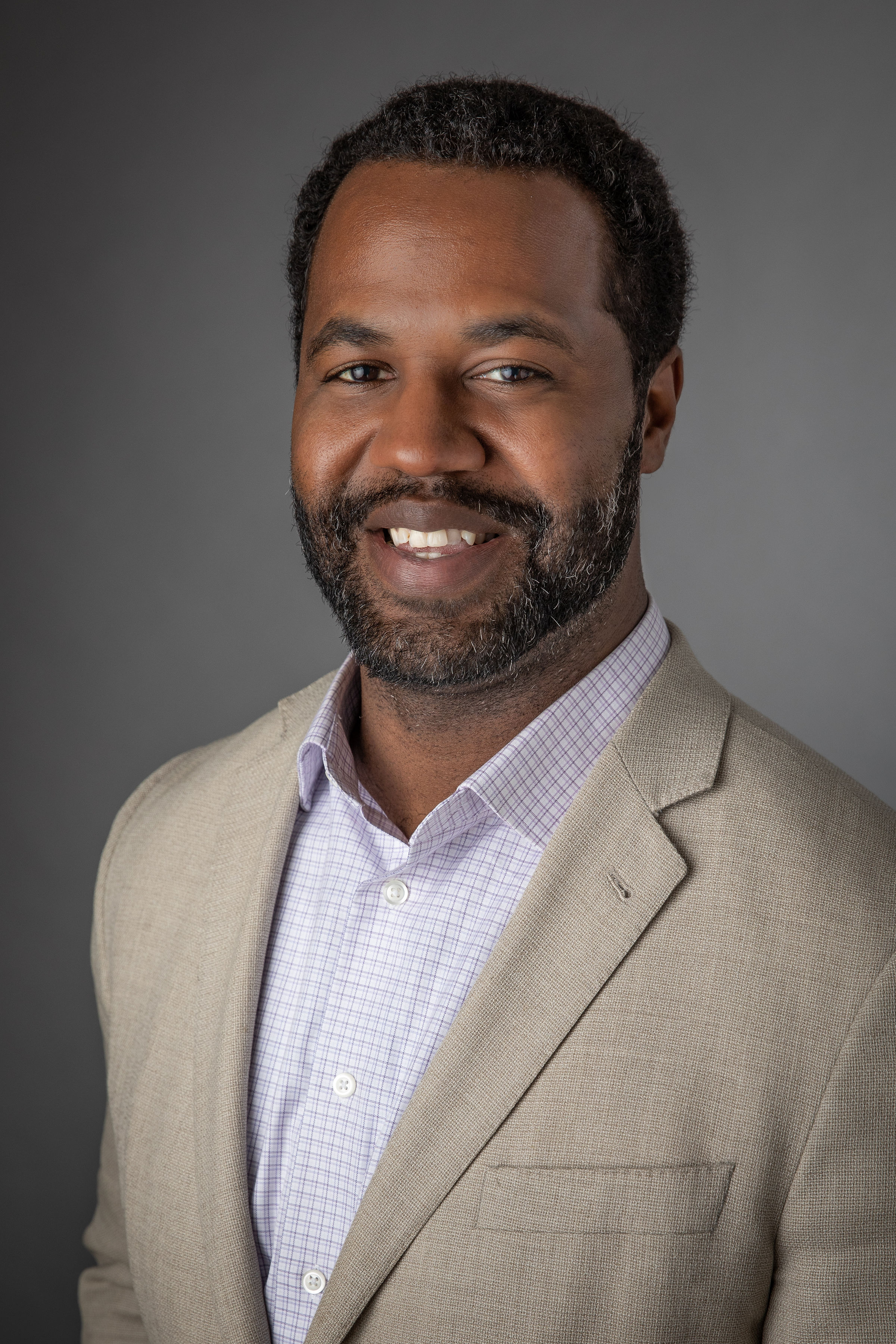
Paul H. Flowers Jr.
Paul H. Flowers Jr. says the companies still renting their health plans are funding carrier profits they never agreed to, and most have no idea it's happening.
But here is what most business owners do not know. The majority of that money does not go toward their employees' care. It goes toward a system designed to keep the carrier profitable first.
The Structure Nobody Explained to You
In a fully-insured health plan, employers pay a fixed monthly premium to a carrier. The carrier takes that money and pays claims out of it. If claims are lower than projected, the carrier keeps the surplus. If claims are higher, the carrier raises your rates at renewal.
You never see the claims data. You never see what was actually spent. You never see how much margin the carrier made off your workforce. You just get a renewal letter every year telling you costs went up again.
Benefits advisor Paul H. Flowers Jr., founder of PHFJ Enterprises and CEO of Superior Insurance Advisors, calls this a hidden tax.
"Every CEO and CFO I sit with tells me the same thing. They had no idea," said Flowers. "They thought their premiums were based on what their people actually used. They are not. They are based on what makes the carrier money. Two completely different things."
The Math That Should Keep You Up at Night
Consider a 200-employee company paying $18,000 per employee in annual premiums. That is $3.6 million going to a carrier every year.
In a typical year, actual claims might run 70 to 80 percent of that premium. That means somewhere between $720,000 and $1,080,000 is surplus. Money collected but never spent on care. In a fully-insured arrangement, every dollar of that surplus belongs to the carrier.
Now multiply that across five years. You are looking at $3.5 million to $5.4 million that left your company and funded someone else's bottom line.
"That is not a rounding error," Flowers added. "That is a building. That is 20 new hires. That is the difference between growing and staying stuck."
67% of Covered Workers Already Left This System
The shift is already happening. KFF reports that 67% of covered U.S. workers are now enrolled in self-funded health plans, where the employer pays claims directly and keeps every dollar not spent on care.
Self-funded does not mean self-managed. It means you own the risk and the reward instead of renting it. Stop-loss insurance caps your downside. Third-party administrators handle the paperwork. But the surplus stays on your books, not theirs.
Through Superior Insurance Advisors, Flowers works with mid-size employers to:
Evaluate whether self-funded or level-funded plan structures fit their workforce and risk tolerance
Expose where carrier margins, broker incentive payments, and PBM markups inflate costs
Build plan designs that return surplus to the company instead of the carrier
Identify the top controllable claims categories driving spend
"The companies making this switch are not massive corporations," said Flowers. "They are 75-employee manufacturers. They are 200-employee logistics firms. They are school districts and hospitals and family-owned businesses that got tired of writing checks with no accountability on the other end."
What Business Owners Can Do This Week
Flowers says there is one question every CFO should ask their current broker today: "Show me our claims data and tell me exactly how much surplus the carrier kept last year."
"If your broker cannot answer that question in 48 hours, you have your answer," said Flowers. "You are paying for a plan you cannot see inside. And that is by design."
Employers who want to understand what their plan is actually costing them can request a complimentary review at paulhflowersjr.com.
About Paul H. Flowers Jr.
Paul H. Flowers Jr. is a Validation Institute certified fiduciary benefits advisor, 3x Amazon bestselling author, speaker, and founder of PHFJ Enterprises. PHFJ Enterprises is the umbrella for Superior Insurance Advisors (self-funded health plan advisory for CFOs and HR directors) and Life Health & Legal Education Partners (a nonprofit education initiative dedicated to health literacy and benefits awareness for employers and employees).
Media Contact
Paul H. Flowers Jr. | PHFJ Enterprises | paul@paulhflowersjr.com | 844-513-5433
Paul H. Flowers Jr.
Superior Insurance Advisors
+ +1 8445135433
info@SuperiorInsuranceAdvisors.com
Visit us on social media:
LinkedIn
Bluesky
Instagram
Facebook
YouTube
TikTok
X
Other
BUCA Executive BLOWS THE WHISTLE!
Legal Disclaimer:
EIN Presswire provides this news content "as is" without warranty of any kind. We do not accept any responsibility or liability for the accuracy, content, images, videos, licenses, completeness, legality, or reliability of the information contained in this article. If you have any complaints or copyright issues related to this article, kindly contact the author above.
